The science behind safe and effective teeth whitening
 Patients ask about teeth whitening year-round, and in many communities it’s one of the first cosmetic services people search for online. That demand is good news for dental practices. When whitening is done safely, it improves satisfaction, generates referrals, and often leads to broader cosmetic care. The key is to ground your approach in the science, standardize your workflow, and stock the right materials so your team can deliver consistent results.
What the science says
Peroxide-based agents are the foundation. Hydrogen peroxide and carbamide peroxide diffuse through enamel and dentin to oxidize chromogens; both are effective when used as directed, across in-office and dentist-dispensed take-home formats. The American Dental Association’s overview summarizes efficacy and common side effects, especially transient sensitivity and gingival irritation. The ADA’s evidence program for home-use bleaching products further emphasizes rigorous safety and efficacy criteria for accepted products, which you can reference when evaluating gels and trays.
Case selection matters in teeth whitening. Differentiate extrinsic stains (diet, tobacco) from intrinsic discoloration (aging, fluorosis, tetracycline) and assess prior restorative work. Manage expectations for intrinsic banding and endodontically treated teeth, where internal bleaching or restorative solutions may be better. Calibrate strength to risk: higher-percentage hydrogen peroxide accelerates results chairside but increases sensitivity risk; carbamide peroxide at lower percentages with longer wear times offers gentler at-home paths. For bruxers or patients with recession, lead with a sensitivity-first protocol and consider custom trays with reservoirs to minimize soft-tissue exposure.
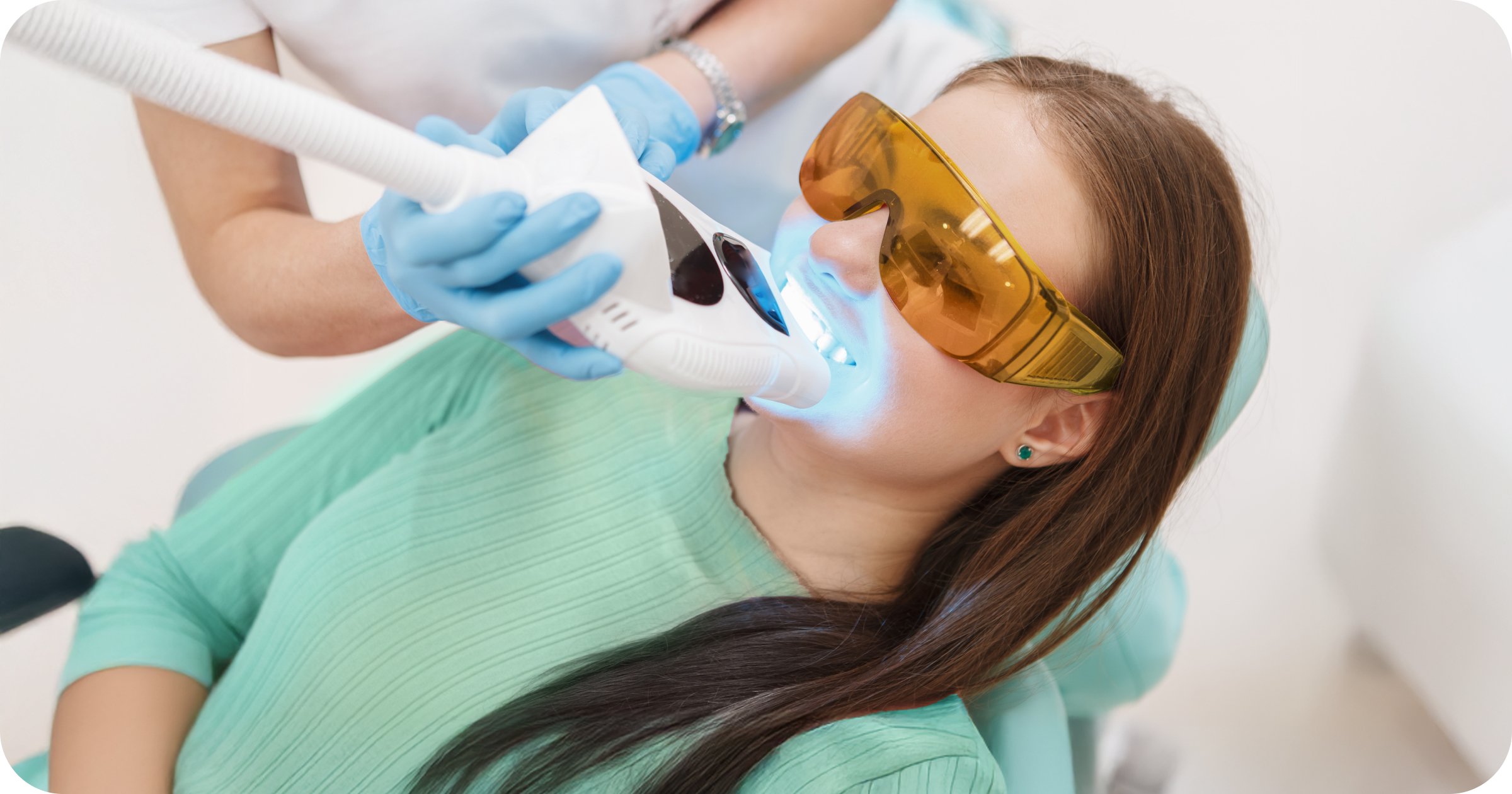
Protect tissues meticulously. For in-office teeth whitening procedures, isolate with cheek retractors, cotton rolls, and light-cured gingival barrier; keep high-volume evacuation handy to manage saliva and prevent gel pooling. When dispensing take-home teeth whitening kits, emphasize proper loading: thin ribbon of gel, avoid overflow, wipe excess, and limit wear times precisely. Photograph and record shades at baseline using a standardized lighting setup. It supports informed consent, motivates patients, and helps your team evaluate outcomes and product choices over time. To maintain consistency and avoid last-minute substitutions, ensure your clinic is well stocked with reliable whitening essentials — from retractors and suction tips to impression materials for custom trays.
Designing a whitening workflow that is safe, efficient, and profitable
 In-office teeth whitening can be a powerful driver of case acceptance and new-patient acquisition, but only when it’s embedded in a safe, efficient, and profitable workflow your whole team can execute.
Standardize your consult
A quick 5–7-minute screening fits naturally at recall: shade assessment (VITA guide), identification of extrinsic versus intrinsic stains, and discussion of restorative considerations (e.g., replacing stained composite before whitening). Use a simple visual decision tree to channel patients into in-office power bleaching, dentist-dispensed take-home trays, or maintenance-only regimens. Evidence from the ADA underscores that peroxide-based agents, hydrogen peroxide and carbamide peroxide are the active ingredients that matter. That clarity helps your team confidently recommend appropriate strengths and wear times.
Build a supply set that prevents bottlenecks
For chairside teeth whitening procedures, pre-assemble kits with gingival barrier, cheek retractors, suction, desensitizer, and shade tabs. For take-home, maintain an inventory of thermoformed tray materials, reservoirs, and multiple gel concentrations to tailor for sensitivity. Frontier Dental can help you keep essentials on hand. From isolation products and suction disposables, to impression materials for custom trays so you avoid last-minute substitutions that derail the schedule. Stocking protocols are critical: assign minimum on-hand quantities for syringes, barriers, and desensitizers; audit weekly, and reorder before you drop beneath par.
Profitability comes from design, not chance
Price chairside teeth whitening as a bundled experience (pre-whitening clean, shade analysis, soft-tissue protection, gel application, and post-care kit) and set target gross margins after consumables and chair time. For take-home whitening, consider tiered options: starter kits, “sensitive” protocols (lower concentration, longer wear), and “accelerated” protocols paired with in-office baseline. Document a sensitivity-first protocol using potassium nitrate or fluoride varnish pre-treatment and break-in wear times (e.g., 30 minutes for three days, then move to the full schedule). To keep the schedule smooth, block whitening in 90-minute templates mid-morning or mid-afternoon when hygiene handoffs are easiest.
Quality assurance keeps outcomes predictable
Use standardized pre/post photos and shade records so patients see progress. Track touchups at 6–12 months and offer maintenance plans that include gels and touchup appointments, an easy add-on during hygiene recall. Finally, train every team member with a one-page script: when whitening is indicated, how to set expectations, how to respond to sensitivity, and when to defer or refer (e.g., intrinsic discoloration from tetracycline or fluorosis may need alternative cosmetic options).
Patient communication, sensitivity management, and aftercare
 The most common reason patients stop teeth whitening is discomfort. Setting expectations early builds trust and reduces chairside troubleshooting. Normalize transient sensitivity up front (“Most people feel some zings; it’s temporary and manageable.”) and anchor comfort to specific tactics: pre-treatment with potassium nitrate or fluoride varnish, beginning with a lower concentration, alternating days, or using neutral sodium fluoride toothpaste during active treatment. The ADA notes temporary tooth sensitivity and gingival irritation are among the most frequent adverse effects of vital whitening, so have a ready-made plan you can hand to patients.
Clear aftercare reduces relapse. Provide a written “white diet” guide for 48 hours after in-office teeth whitening, then pragmatic guidance: staining is about frequency and exposure time, so sipping coffee through a straw and rinsing promptly matters more than perfection. Encourage maintenance gels for 1–2 nights monthly or before events, and integrate shade checks during hygiene. For complex cases, such as uneven response on endodontically treated teeth or intrinsic banding, manage expectations and outline adjunctive options. Some intrinsic stains won’t fully respond to peroxides; align on alternatives (micro abrasion, internal bleaching, veneers) before starting.
Communication tools turn teeth whitening into a team sport. Use a brief visual brochure and a 60-second explainer on the operatory tablet. Map responsibilities: hygienists identify indications, dentists confirm candidacy and review contraindications (pregnancy, significant recession, active caries), assistants prepare barriers and trays, and front-office coordinators review fees and financing. Close the loop with a standardized post-op text that includes reminders, a sensitivity troubleshooting tip sheet, and links to your web page. Evidence-based resources help reinforce your message; consider saving the ADA whitening overview and clinical science page to your in-operatory favorites for quick reference. Reliable supply, clear scripts, and thoughtful follow-up make whitening predictable and a practice builder rather than a time sink.
Conclusion: A team-driven approach to whitening success
When teeth whitening is grounded in evidence and executed through a standardized workflow, it becomes more than a cosmetic add-on, it becomes a reliable, team-driven service that builds trust, boosts revenue, and keeps patients smiling.