
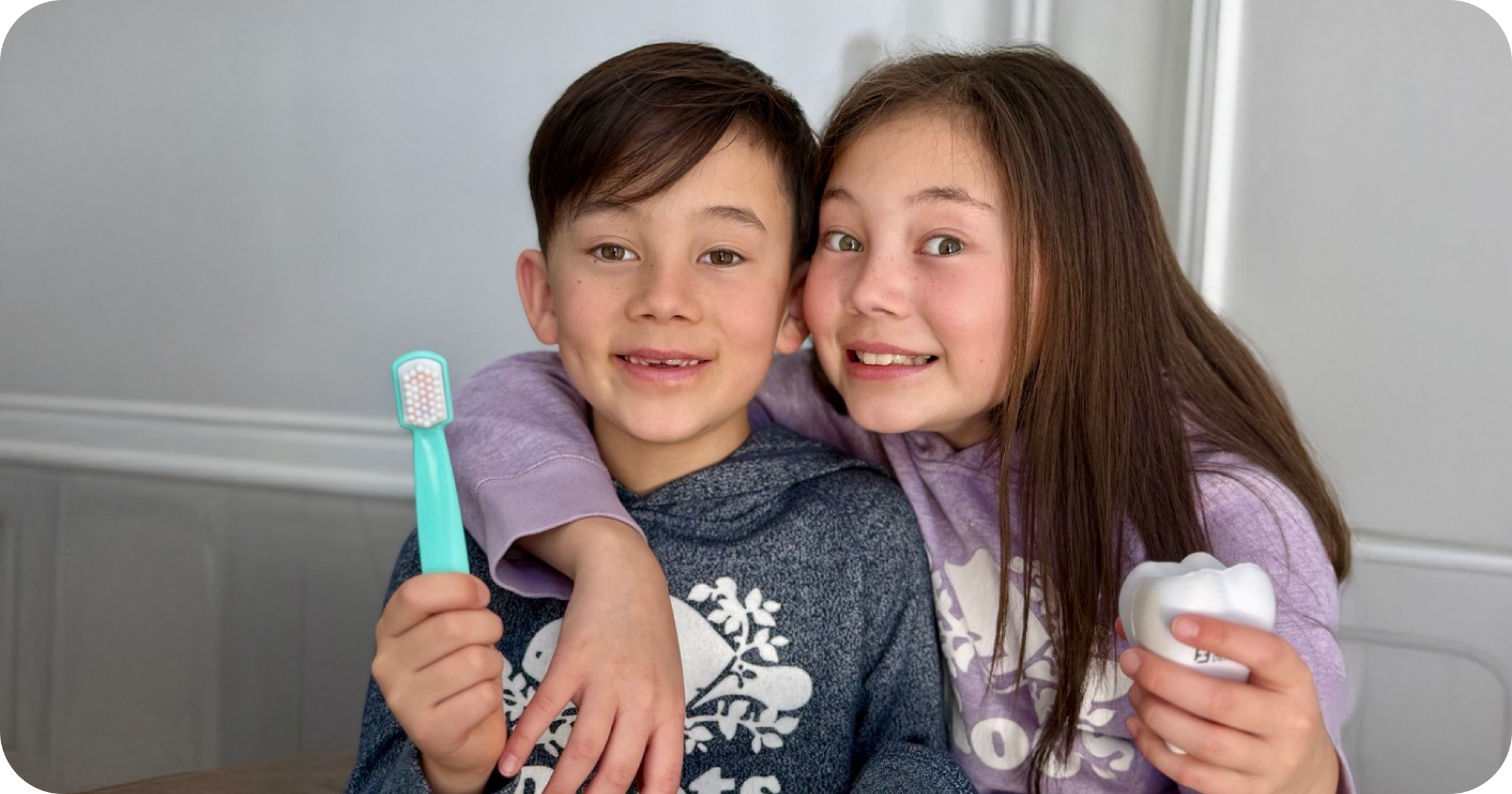
For Canadian dental teams, parents and caregivers are the single most important ally in protecting children’s oral health. Kids rarely control their own diets, appointment schedules, or brushing routines. It is the adults around them who decide what is bought, when visits happen, and how closely home-care advice is followed. Yet many parents report feeling overwhelmed or unsure about what “good” oral care for kids actually looks like, especially as they hear mixed messages online. This creates a critical opportunity for dental professionals to step in as trusted guides, offering clear, evidence-based, and compassionate communication that turns good intentions into daily habits.
Start with listening and simplify your message
 A strong parent communication strategy starts with listening. At the beginning of each pediatric visit, ask open-ended questions like, “What are your biggest concerns about your child’s teeth right now?” or "Tell me about how brushing goes at home.” These questions not only surface practical challenges such as resistance to brushing or frequent snacking, but also reveal misconceptions, such as the idea that cavities in baby teeth do not matter because those teeth will fall out. National resources, including the Canadian Paediatric Society’s “Healthy teeth for children”, emphasize that primary teeth are essential for eating, speech, and spacing for permanent teeth; sharing this information in simple language can be eye-opening for caregivers.
It helps to frame your role as a partnership rather than a lecture. Explain that tooth decay is the most common, but preventable chronic disease of childhood in Canada, as highlighted in Federal oral health materials. From there, outline how your team will work with the family. Regular checkups to catch problems early, fluoride varnish and sealants to protect vulnerable teeth, and practical home-care coaching tailored to their child's age and risk profile. Acknowledge the pressures parents face, from busywork schedules to rising food costs, and focus on realistic steps rather than perfection.
To make information digestible, break it into a few key messages per visit. For example: 1)brushing twice daily with fluoridated toothpaste, 2) limiting sugary snacks and drinks, and 3) booking the next preventive visit before leaving the office. Support each point with a brief explanation and, where appropriate, a link to a trusted Canadian source, such as the Canadian Dental Association’s children’s section. By repeating these core messages consistently at each recall, you build familiarity and confidence overtime.
Digital tools can extend your reach beyond the operatory. Follow-up emails or portal messages summarizing the visit can include direct links to Government of Canada oral health pages, Canadian Paediatric Society guidance, and Statistics Canada dashboards showing the real-world impact of early prevention, such as the prevalence of tooth decay in Canadian children. When parents see that your advice aligns with national recommendations and current data, their trust in your guidance and willingness to act on it, grows.
Make chairside education stick
 Even the clearest advice can be forgotten if it is delivered as a rushed monologue at the end of an appointment. To help parents recall and act on guidance, Canadian dental teams can design short, repeatable education moments that fit naturally into the clinical workflow. One effective technique is “teach-back,” in which you invite parents to explain key instructions in their own words before they leave. For example, “Just so I know I explained that well, can you walk me through how you'll brush Olivia’s teeth tonight?” This simple step reveals misunderstandings in real time and reinforces confidence when the parent gets it right.
Visuals dramatically increase retention, especially for busy caregivers juggling multiple responsibilities. Chairside tablets or laminated cards that illustrate brushing angles, flossing with little mouths, or healthy snack swaps can turn abstract directions into concrete actions. You might adapt diagrams from national resources such as the Public Health Agency of Canada’s “Oral health tips for children aged 0-3” or the Canadian Dental Hygienists Association's “Oral health care for children aged 7-12”. Ensure any adapted materials respect copyright and attribution policies, when in doubt, link directly rather than reproducing.
Another high-yield tactic is personalization. Instead of generic advice, tie recommendations to that specific child’s risk profile and daily routines. If a preschooler has early white-spot lesions and loves juice, you might say, “Because we’re seeing the very first signs of weakening enamel, it’s especially important for Noah to brush with a pea-sized amount of fluoride toothpaste twice a day. Let’s pick one snack that’s usually juice and swap it for water this week.” Support this with written or emailed summaries that include links to national authorities like the Canadian Dental Association’s children’s section and the Canadian Paediatric Society’s “Healthy teeth for children”.
Language access and cultural sensitivity also matter in a diverse Canadian context. Whenever possible, ask families about their preferred language, literacy level, and any beliefs or practices related to diet, breastfeeding, bottle use, or traditional remedies. Being open and curious builds trust and can prevent misunderstandings. For example, clarifying that honey on pacifiers, though common in some traditions, significantly increases decay risk. Where feasible, offer translated handouts or direct caregivers to multilingual national resources.
Finally, align your in-clinic messaging with your online content. Blog posts, FAQ pages, and email campaigns that mirror your chairside talking points make it easier for parents to revisit information when they are not rushed. For example, a post titled “Five questions to ask your child’s dental team this February” could summarize caries risk, fluoride, sealants, diet, and recall intervals, with embedded links to federal oral health pages. Consistency across channels shows that your practice is organized, evidence-based, and invested in long-term partnerships with families.
Build lasting systems, not just moments
 Sustaining strong partnerships with parents requires systems, not just good intentions. Begin by mapping the parent journey, from first phone inquiry to recall reminders, and identify every touchpoint where you can reinforce messages about children’s oral health. On the phone and at the front desk, train administrative staff to highlight the importance of early visits and routine checkups, referencing national statistics that more than half of Canadian children aged six to eleven have experienced tooth decay. This sets expectations that preventive visits are essential, not optional.
In the operatory, build standard operating procedures (SOPs) for pediatric visits. For example, every child’s chart could include a brief caries risk assessment, a record of fluoride exposure and varnish applications, sealant status, and any diet or habit concerns. Hygienists and dentists can use this to deliver consistent, tailored advice, while assistants ensure that take-home materials and product samples match the guidance. Your dental supply partner can support this by ensuring reliable access to child-specific brushes, floss aids, and fluoride products.
Follow-up is where many practices lose momentum. Consider structured recall communications that speak directly to parents’ priorities: comfort, convenience, and long-term health. Email or text reminders can include brief educational snippets such as a line about how early childhood tooth decay is the most common, yet preventable, chronic disease in children. Add links to trusted resources so parents can explore further.
Partnerships can also extend beyond individual families to the broader community. Since February is Children’s Dental Health Month, it’s an ideal time to offer short presentations or Q&A sessions for local daycares, schools, or parent groups, either in person or virtually. Share simple messages about brushing, diet, and the importance of early dental visits, supported by Canadian Paediatric Society guidance. Bring along sample kits featuring child-friendly brushes, flossers, and educational materials sourced from your supply catalog. This reinforces your role as a communitypartner and creates a natural bridge back to your practice for families who maynot have a regular dental home.
As Canada continues to roll out initiatives like the Canadian Dental Care Plan, parents are increasingly alert to the importance of preventive care but may be confused about eligibility, coverage, and what services are included. By staying current with national oral health data and professional guidance from national organizations, your team can answer questions with confidence. When you combine that knowledge with clear communication, empathy, and reliable access to child-focused products, you create lasting, trust-based relationships that protect children’s smiles well beyond a single campaign month.
Conclusion

Supporting parents is one of the most impactful ways to protect children’s oral health. With the right communication, systems, and partnerships in place, your dental team becomes a trusted ally that families rely on year-round.