Introduction
Pediatric dentistry isn’t just about treating cavities; it’s about preventing them. As dental teams navigate new research, payer expectations, and diverse patient needs, preventive care is evolving fast. The traditional six-month cleaning model is being replaced with risk-based, age-specific strategies rooted in evidence and aligned with national guidelines. This shift can reduce disease, improve outcomes, and create a smoother, more predictable schedule for pediatric teams.
Here’s how leading U.S. dental practices are rethinking prevention across every stage of childhood while equipping their teams to deliver smarter, more consistent care.
Why pediatric prevention must be risk-based and guideline-driven
 Preventive pediatric dentistry has evolved from a one-size-fits-all “cleaning every six months” into a risk based, evidence driven model that starts in infancy and adapts as children grow. For American dental practices that see everything from privately insured families to Medicaid-enrolled children, this shift is essential. Some patients live in fluoridated communities and arrive with impeccable home care; others have limited access to dental services, frequent sugar exposure, and a high burden of untreated decay. Applying the same preventive protocol to both groups leads to over treatment of low-risk kids and under treatment where the need is greatest.
A risk-based approach starts with standardized assessment. The American Academy of Pediatric Dentistry (AAPD) recommends caries risk assessment as soon as the first tooth erupts, and at every recall thereafter. Modern tools consider not just existing lesions, but also diet, fluoride exposure, visible plaque, enamel defects, medical conditions, and social factors that increase risk. When you document risk in a structured way, you can confidently individualize recall intervals, radiographic schedules, and preventive procedures, something payers increasingly expect to see in the chart. Guidelines provide the backbone for these decisions.
The AAPD’s periodicity schedule lays out what should happen at each stage: timing of the first visit, exam components, fluoride application, radiographic intervals, sealant assessment, malocclusion monitoring, trauma counselling, and transition to adult care. Using this framework ensures your protocols are aligned with national standards, defensible if questioned, and easier to train across a team that may include pediatric dentists, general dentists, hygienists, and expanded function assistants.
Evidence also supports moving away from purely surgical responses to disease. Systematic reviews show that professional fluoride varnish significantly lowers the incidence of new lesions and that pit and fissure sealants on permanent molars can prevent the majority of occlusal caries in the first few years after eruption. Non-restorative treatments such as sealants over non-cavitated lesions and silver diamine fluoride for specific indications, allow clinicians to manage disease activity without always picking up a handpiece.
In practical terms, a guideline driven, risk based preventive system protects children’s health, enhances the value you deliver to families and payers, and supports a more predictable, efficient schedule. Hygiene visits become the engine of long-term oral health rather thana brief detour between restorative appointments. For busy pediatric dental teams, that translates into fewer emergencies, less chair time devoted to extensive rehab, and more opportunity to build relationships with families around prevention and education.
Age-specific preventive protocols from infancy through adolescence
 Preventive care should be calibrated to developmental stages, but the core principles remain consistent: establish a dental home early, assess risk regularly, and deploy the right mix of fluoride, sealants, and education.
In infancy (0–12 months), the goal is to set the foundation. The American Academy of Pediatric Dentistry (AAPD) and many US pediatric groups recommend a first dental visit by age one. At this appointment, the focus is on perinatal and infant oral health: examining soft tissues, frenula, and early erupting teeth; assessing feeding patterns; and coaching caregivers on home care. Parents should leave understanding that once teeth erupt, they should use a smear sized amount of fluoridated toothpaste twice daily, lift the lip to look for white spots, and avoid putting the child to bed with a bottle of milk or juice. The AAPD’s infant oral health guidance provides a detailed roadmap: AAPD Perinatal and Infant Oral Health Care.
In the toddler and preschool years (1–5), dental visits expand to include amore complete clinical exam, age-appropriate radiographs for high-risk patients, and professional fluoride varnish at intervals matched to risk. For many American children, particularly those in non fluoridated areas or with frequent sugar exposure, three-month varnish applications are justified. According to a Cochrane review, fluoride varnish use in children results in roughly a 37–43%reduction in decayed, missing, and filled tooth surfaces compared with no varnish. Appointments at this age should also emphasize diet counselling, injury prevention, nonnutritive habit guidance, and parental supervision of brushing.
With school age children (6–11), permanent first molars erupt and become a major preventive priority. These teeth account for a large share of lifetime occlusal decay. Sealants placed soon after eruption can prevent up to 80% of cavities over the first two years and remain partially protective for several more. Fluoride varnish remains important, particularly with pediatric patients with active lesions, orthodontic appliances, or inconsistent home care. At this stage, self motivated brushing and flossing skills can be reinforced with visual aids and hands on instruction.
Adolescents (12–18) require a blend of caries and periodontal prevention. Second molars should be sealed once sufficiently erupted, and recall intervals should reflect diet, oral hygiene, and orthodontic status. Teens face unique risks, sports drinks, vaping, snacking, and lower priority on oral hygiene. Short, motivational interviewing style conversations can help connect oral health to issues teens care about, such as appearance, athletic performance, and comfort. Periodontal assessments, evaluation of third molar development, and counselling on tobacco and substance abuse round out a comprehensive adolescent preventive protocol.
Implementing fluoride, sealants, and minimally invasive treatments
 Turning guidelines into everyday practice requires systems, team training, and ready access to the right supplies.
A first step is standardizing caries risk assessment across the practice. Use a simple, age stratified form for 0–5 and 6+ years that captures behavioral, clinical, and protective factors. Train hygienists and assistants to complete and update this form at each recall and build it into your electronic health record so risk status is visible when scheduling and planning treatment. The American Academy of Pediatric Dentistry (AAPD), caries risk assessment best practice, offers sample forms and management pathways.
Next, create preventive “bundles” linked to risk level and age. For example, a high risk 4-year-old automatically receives three month recalls, two-bitewings as indicated, professional fluoride varnish at each visit, and caregiver diet counselling. A low risk 10-year-old might be scheduled on a 6–12month recall with periodic bitewings and sealant assessment on erupting molars. Documenting these bundles as standing orders improves consistency and allows hygienists to work at the top of their license within state regulations.
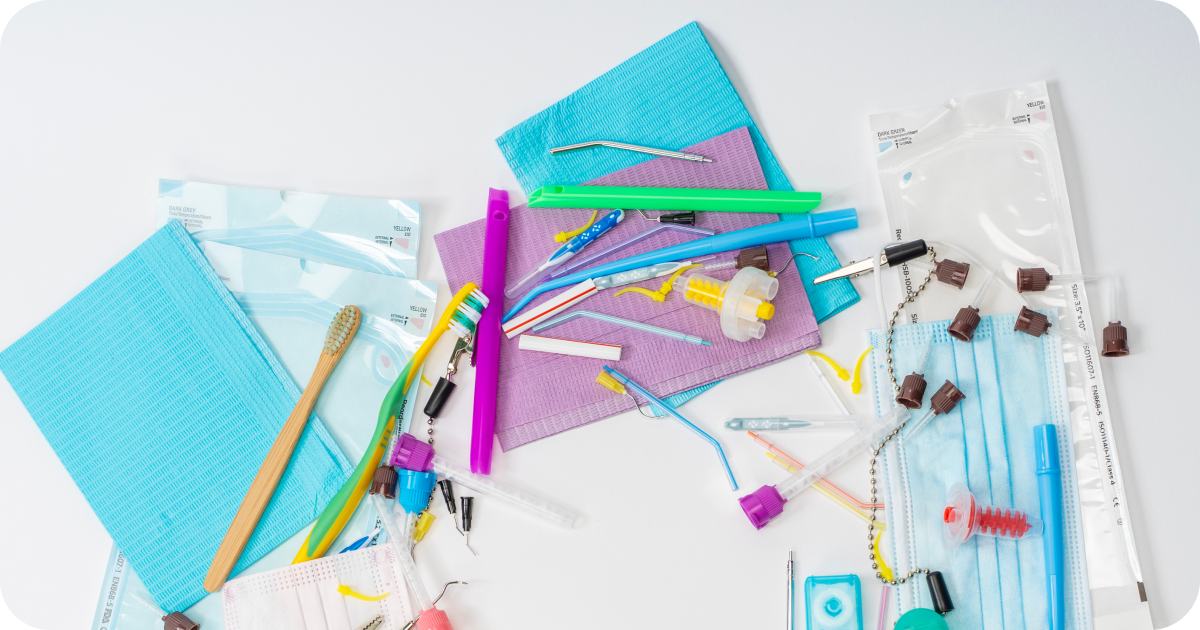
Fluoride and sealants should be used strategically and consistently. Ensure your operatories are always stocked with single dose varnish packs, high-quality sealant materials, prophy angles, saliva ejectors, cotton rolls, and isolation aids. Stockouts are a common reason preventive services are skipped, particularly late in the day or toward the end of a month. Partnering with a distributor that offers same day shipping across the US, deep inventories of varnish and sealant brands, and pediatric specific disposables (small saliva ejectors, child sized masks, lightweight headrest covers, reusable or biodegradable gowns) reduces that risk.
Adopting minimally invasive approaches can further enhance your preventive strategy. Sealing nonactivated occlusal lesions rather than restoring them, using silver diamine fluoride selectively for high risk or medically fragile children, and favoring glass ionomer or resin modified materials in cases where Isolation is difficult, all support a “prevention first” philosophy. Align these choices with published guidelines and evidence summaries so your team can explain them clearly to parents and insurers.
Finally, track outcomes. Monitor rates of new caries by risk category, sealant retention at 1–2 years, and varnish coverage among high-risk patients. Even simple audits can highlight training needs or supply gaps. Sharing improvements such as fewer emergency visits or reduced need for full mouth rehabilitation under general anesthesia, reinforces the value of preventive care for your team.
Conclusion
 Preventive care in pediatric dentistry is no longer optional or one-size-fits-all. By applying age-specific, risk-based protocols and streamlining implementation with your team, you can deliver higher quality care, reduce disease burden, and create a more sustainable clinical schedule. Whether you're sealing first molars or reinforcing brushing habits with teens, every preventive step counts. With the right systems, supplies, and training, your hygiene department becomes the foundation for lifelong oral health.
Supporting pediatric care in your practice? Browse Frontier Dental’s curated selection of child-friendly products and essentials.