Why this conversation matters in dental practice
More patients are asking about fluoride-free toothpaste, and as a dental professional, you need clear answers. From hydroxyapatite to xylitol, fluoride-free options are growing in popularity—but not all are backed by science. Here’s what the evidence says, and how to guide your patients with confidence.
How Fluoride-Free Toothpastes Work
 The Conventional Fluoride Mechanism
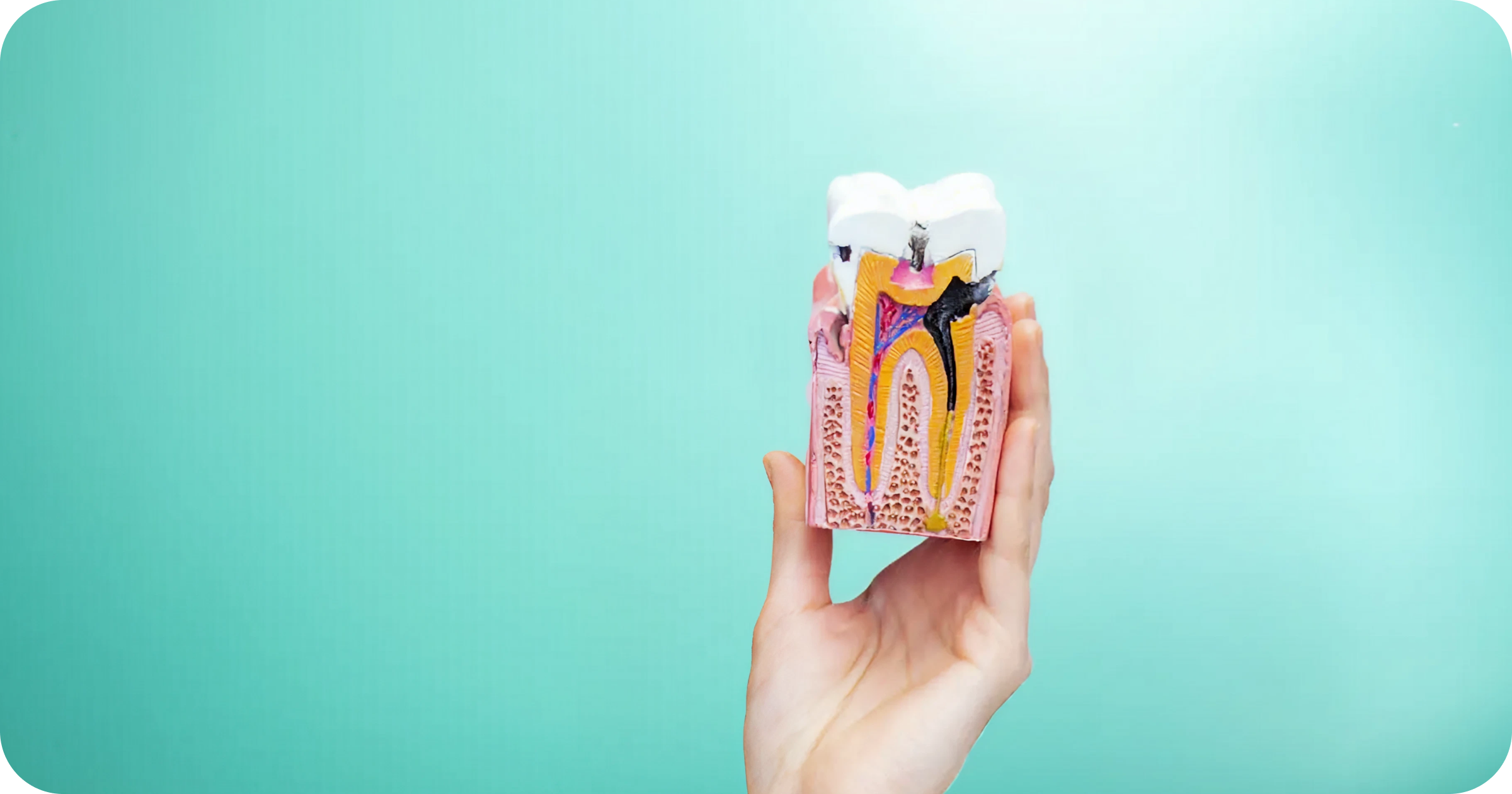
Fluoride prevents cavities by enhancing remineralization and forming fluorapatite, a mineral less soluble than hydroxyapatite, making enamel more resistant to acid attacks. Sodium fluoride, stannous fluoride, and sodium monofluorophosphate are common actives in conventional toothpaste, backed by decades of randomized controlled trials.
The Alternative Pathways: Biomimetic Remineralization
Fluoride-free products aim to achieve similar outcomes through different ingredients. Key actives include:
- Nano-hydroxyapatite (n-HAP): This calcium phosphate compound closely resembles the natural mineral structure of tooth enamel. It integrates with surface enamel, repairs micro-defects, and seals dentinal tubules, reducing sensitivity.
- Amorphous calcium phosphate (ACP) & casein phosphopeptide-amorphous calcium phosphate (CPP-ACP): Serve as calcium and phosphate reservoirs, supporting enamel remineralization.
- Xylitol: Interferes with Streptococcus mutans metabolism, lowering acid production and promoting a less cariogenic oral environment.
- Zinc & Arginine: Adjunct ingredients that may contribute to antimicrobial effects or tubule occlusion.
These ingredients work synergistically with saliva to promote a remineralizing oral environment without fluoride. However, their effectiveness varies significantly depending on formulation quality, particle size, pH, and the presence of other actives.
The Clinical Evidence: Fluoride vs. Fluoride-Free
Hydroxyapatite Under the Microscope
A growing number of peer-reviewed studies are evaluating n-HAP as a fluoride alternative. Noteworthy findings include:
- A 2023 clinical trial found that a nano-hydroxyapatite toothpaste was not inferior to fluoride toothpaste in preventing early caries progression over a 6-month period in adults.
- Systematic reviews have reported that HAP-based toothpastes demonstrate favorable outcomes for both caries prevention and dentin hypersensitivity reduction.
- A 2024 clinical update concluded that under certain conditions, HAP performed comparably to fluoride in controlling lesion progression, although data heterogeneity was noted.
These results are promising—especially for patients with fluoride sensitivities, pediatric populations, or those seeking a more "natural" oral care solution.
Not All Fluoride-Free Toothpastes Are Equal
It’s important to distinguish between science-based fluoride-free options and those driven purely by marketing. Some fluoride-free pastes use only abrasives, baking soda, or essential oils, which may freshen breath but lack true remineralization capacity.
In contrast, well-formulated HAP toothpastes, especially those with nano-scale particles at clinically tested concentrations, show evidence of increasing enamel microhardness and reducing lesion depth.
Clinical Decision-Making: When to Recommend What
Start With Caries Risk Assessment
Before recommending any toothpaste, assess:
- Caries history
- Age and ability to spit/swallow
- Dietary habits and sugar frequency
- Fluoride exposure (community water, supplements, etc.)
- Sensitivity symptoms
General Guidelines for Toothpaste Recommendations
|
Patient Profile |
Recommended Option |
|
High caries risk + accepts fluoride |
Fluoride toothpaste (1,000-5,000 ppm based on age/risk) |
|
Prefers fluoride-free |
HAP or CPP-ACP toothpaste with clinical data |
|
Pediatric patients <6 years old |
HAP-based toothpaste; supervised brushing essential |
|
Sensitivity complaints |
HAP-based paste with tubule-occluding properties |
|
History of fluorosis or concern thereof |
Fluoride-free remineralizing paste; varnish/sealants in clinic |
Remind patients that twice-daily brushing, proper technique, and brushing before bed are non-negotiables—regardless of paste choice.
Fluoride-Free Doesn’t Mean Fluoride-Forgetful
Integrating Office-Based Prevention
Even if a patient opts for a fluoride-free toothpaste, in-office fluoride applications (varnishes, gels) and sealants remain essential for high-risk patients. These interventions can complement home care without requiring daily fluoride ingestion.
Monitor Lesion Activity Over Time
Use bitewings, transillumination, or visual scoring systems (ICDAS) to monitor early lesions. Document all recommendations and reassess at each recall visit. A "no new lesions" outcome helps validate the selected home-care approach.
Communication Tips: Framing the Conversation
-
Avoid fear-based messaging. Instead of warning patients about what will happen if they skip fluoride, explain what fluoride does and why it’s beneficial.
-
Validate preferences. Acknowledge concerns and offer alternatives without judgment.
-
Use evidence-based language. "Studies show that hydroxyapatite can help remineralize enamel similarly to fluoride in certain patients."
-
Set expectations. Make it clear that results depend on consistent use and that not all fluoride-free toothpastes offer the same level of protection.
The Bottom Line: Evidence Over Ideology
 Fluoride remains the most extensively researched and broadly endorsed caries-preventive agent. But hydroxyapatite and other biomimetic technologies offer compelling alternatives—especially for fluoride-averse patients.
Clinicians should guide patients toward products supported by science, not marketing. Look for brands that disclose active ingredient concentrations and cite peer-reviewed research. In cases where fluoride use is declined or contraindicated, well-formulated fluoride-free toothpastes can still support caries control and sensitivity management.
.png)